
Mathematics
Discover how our Maths programme builds confident, analytical thinkers through hands-on learning, real-world tasks, and the UC3 problem-solving approach.
Vision
To Be Analytical Thinkers and Problem Solvers
Objectives:
Create positive and engaging learning experiences that foster a love for mathematics and build students’ confidence in their abilities by ensuring they acquire a strong foundation in mathematical knowledge, skills and competencies.
Develop students' ability to explain their reasoning, articulate mathematical ideas, and collaborate with peers using mathematical language.
Provide opportunities for students to apply mathematical knowledge in real-life situations.
Encourage students to think critically and creatively to solve a variety of mathematical problems.
Authentic and Experiential
Learning Experiences for Math Conceptual Learning
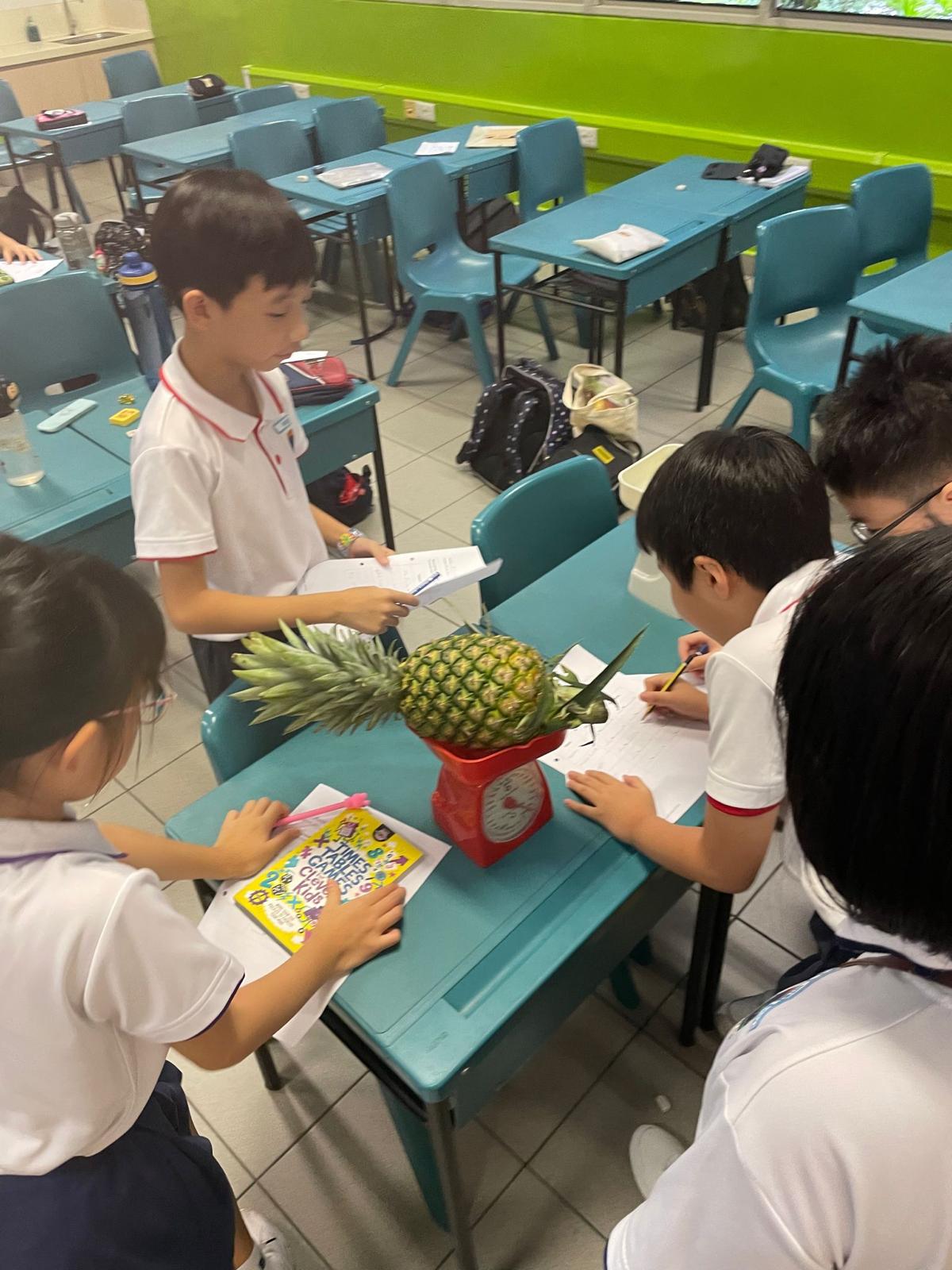
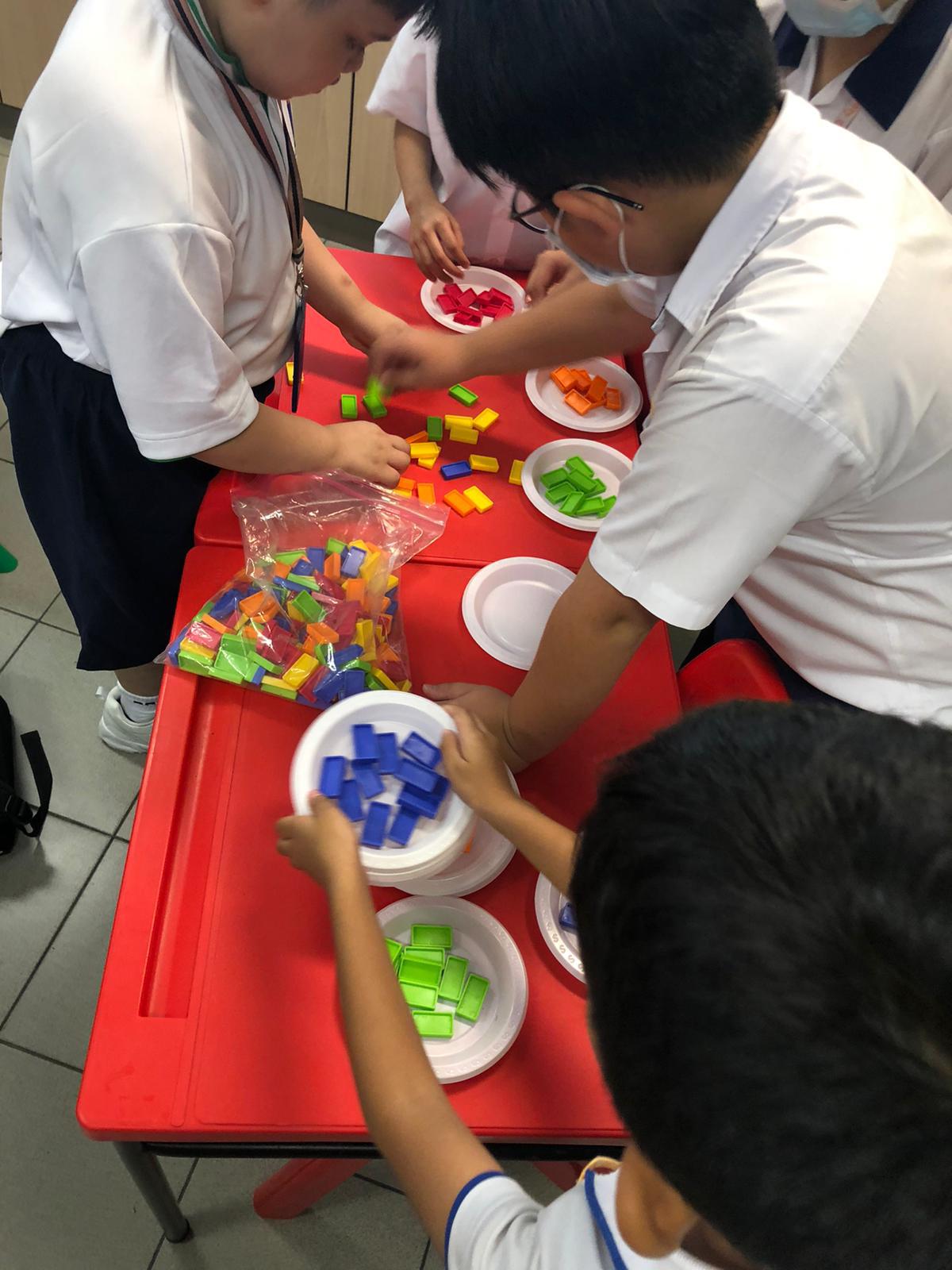
Our approach to teaching math is centered around hands-on learning experiences that make math both fun and meaningful for our students. We use a variety of math manipulatives, such as fraction discs, play money, and other interactive tools, to help students visualise and understand mathematical concepts.
By incorporating real-world contexts into our lessons, we aim to enhance student learning and deepen their conceptual understanding. Our goal is to instill a love for math and to equip our students with the skills they need to succeed in their academic journey and beyond.
Math@Home Programme
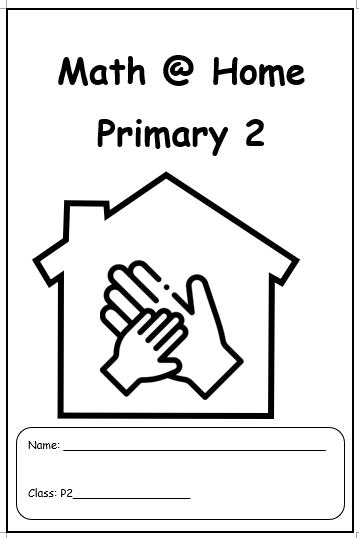
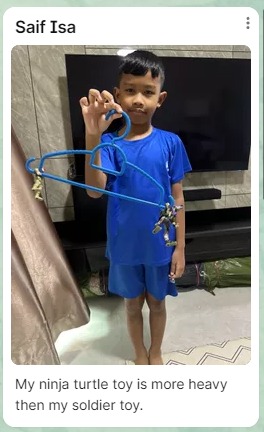
Our Math@Home program is designed specifically for lower primary students. Math@Home provides an platform for parents and children to connect and bond over the holidays through a series of engaging real-world activities that allow children to apply mathematical concepts learned in the classroom to everyday situations.
Whether it's measuring ingredients for a recipe, budgeting for a small project or making observations of the shapes that can be found all around, these activities are crafted to be both educational and fun.
By integrating math into daily routines, Math@Home helps children see the relevance and importance of math in their lives, enhancing their understanding and appreciation of the subject.

Tech-enabled
Infusion of E-Pedagogy into Mathematics curriculum
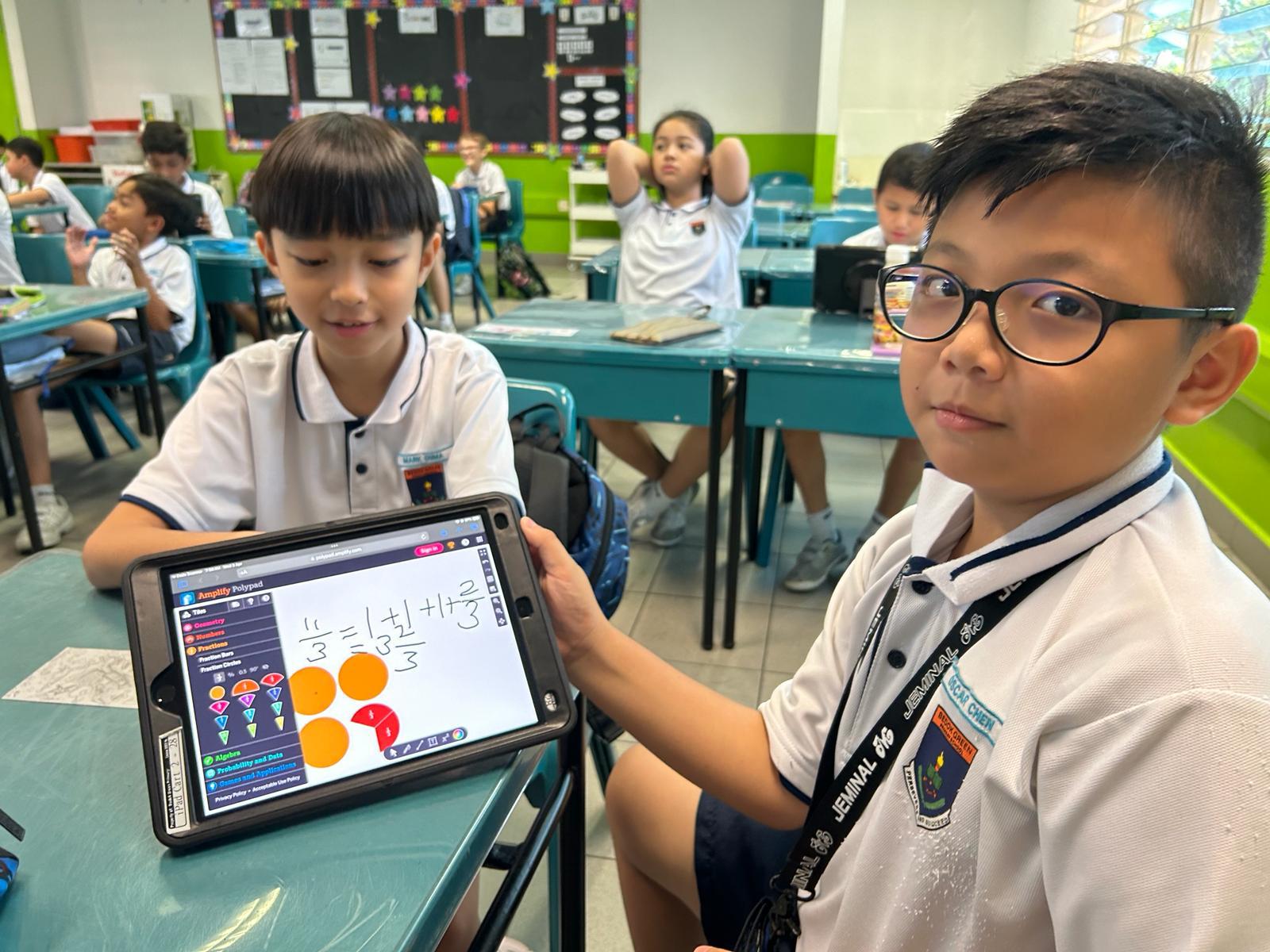
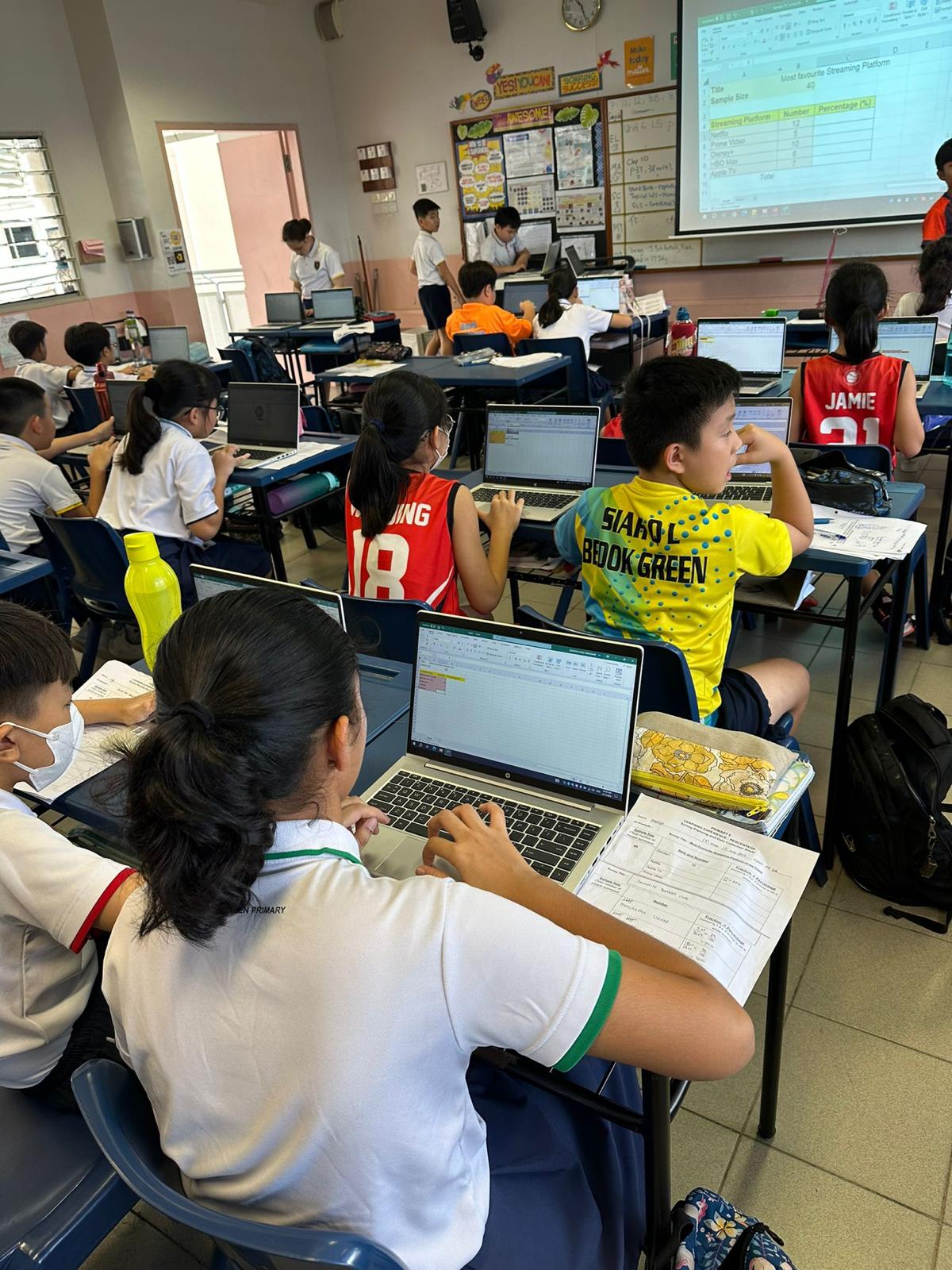
We enhance student learning through the effective use of e-pedagogy. Our curriculum incorporates the use of various apps and technology to support and enrich the learning experience. By utilising these tools, we promote student engagement, better mathematical communication, and collaboration among students.
This approach helps cater to different learning styles, making math more accessible and engaging for all. Our goal is to create an interactive and supportive environment where students can thrive and develop a deeper understanding of mathematical concepts.
Future-Oriented:
UC3 problem-solving approach
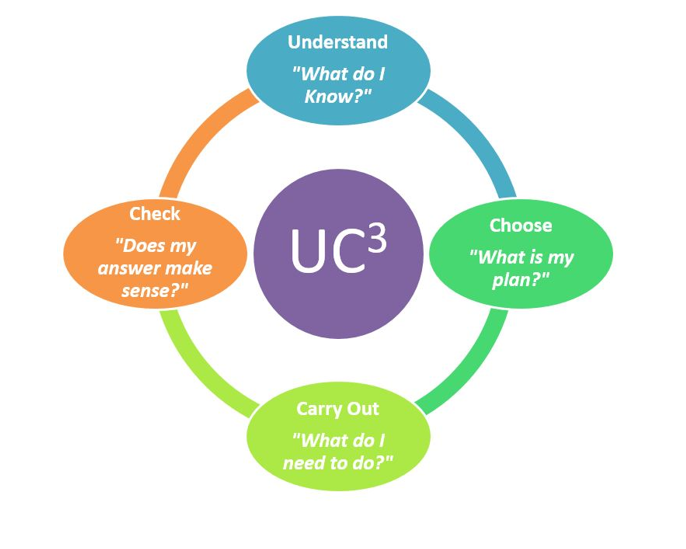
Our problem-solving approach, UC3, is rooted in George Pólya's problem-solving principles.
UC3, which stands for Understand, Choose, Carry out, and Check, is integrated into the curriculum to enhance students' problem-solving abilities.
Using this structured problem-solving approach, students begin by thoroughly Understanding the problem, identifying all given data and the problem's requirements.
They then Choose an appropriate strategy, selecting from techniques such as drawing diagrams or applying logical reasoning.
With a strategy in place, students Carry out their plan by performing calculations and following steps systematically.
Finally, they Check their work for accuracy of their solution and reflecting on the overall process.
By embedding UC3 into daily instruction, we aim to help students improve their mathematical skills and develop a systematic and reflective approach to problem-solving that is applicable across various subject disciplines.
Useful Links:
2013 Mathematics Syllabus (applicable to 2024 Primary 5 and Primary 6): https://www.moe.gov.sg/-/media/files/primary/mathematics_syllabus_primary_1_to_6.pdf (opens in new tab)
2021 Mathematics Syllabus (applicable to 2024 Primary 1 to Primary 4): https://www.moe.gov.sg/-/media/files/primary/2021-primary-mathematics-syllabus-p1-to-p6.pdf (opens in new tab)